Can’t Sleep? Try Acupuncture For Your Insomnia
You’ve tried the sleep hygiene advice. You’ve downloaded the apps, bought the blackout curtains, cut the caffeine after noon, and turned off your phone an hour before bed. Some nights it helps. Other nights, you’re still lying there at 2 a.m., wide awake, running through tomorrow’s to-do list. If poor sleep has become your new normal, there are better options than reaching for medication indefinitely.
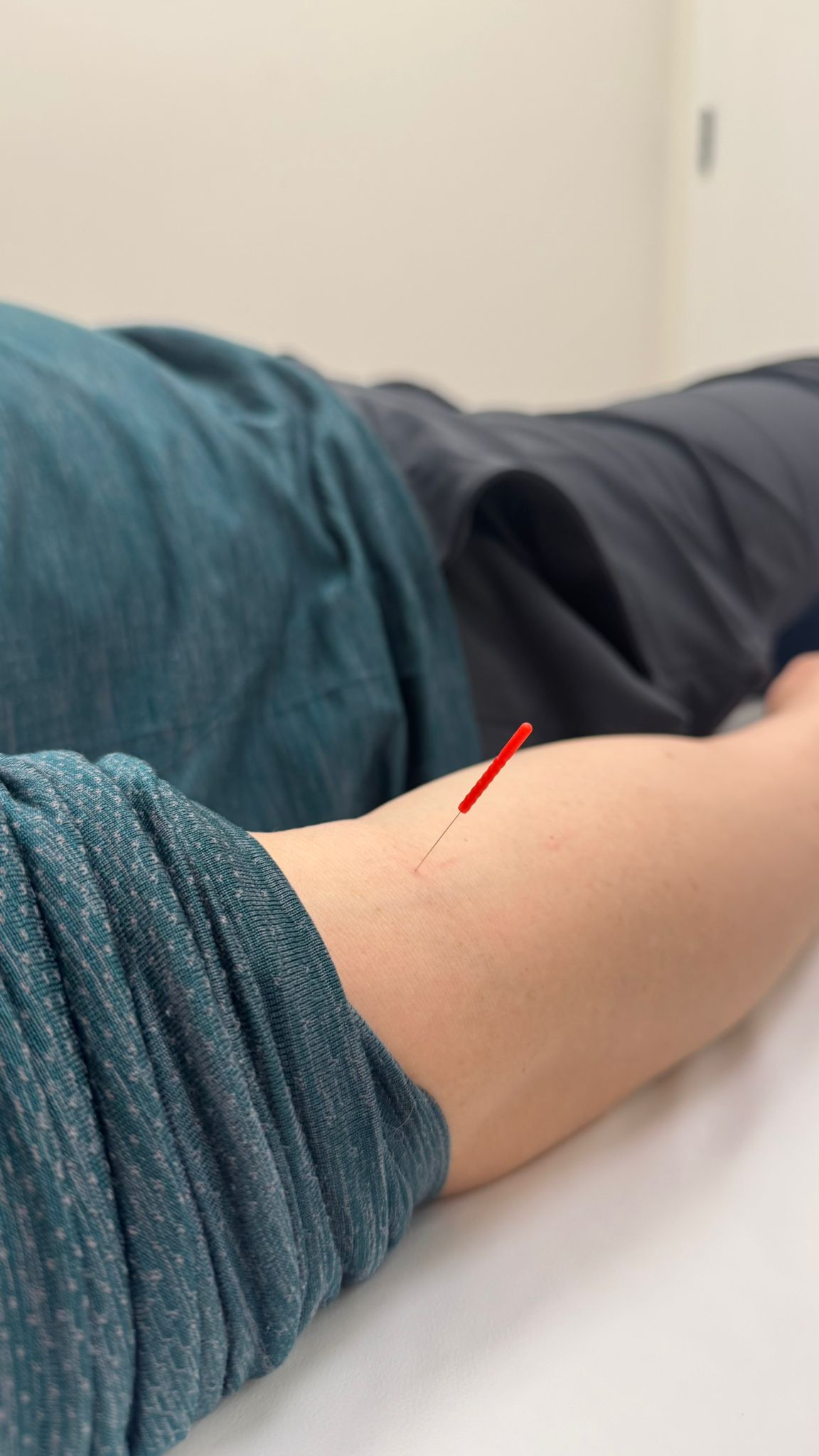
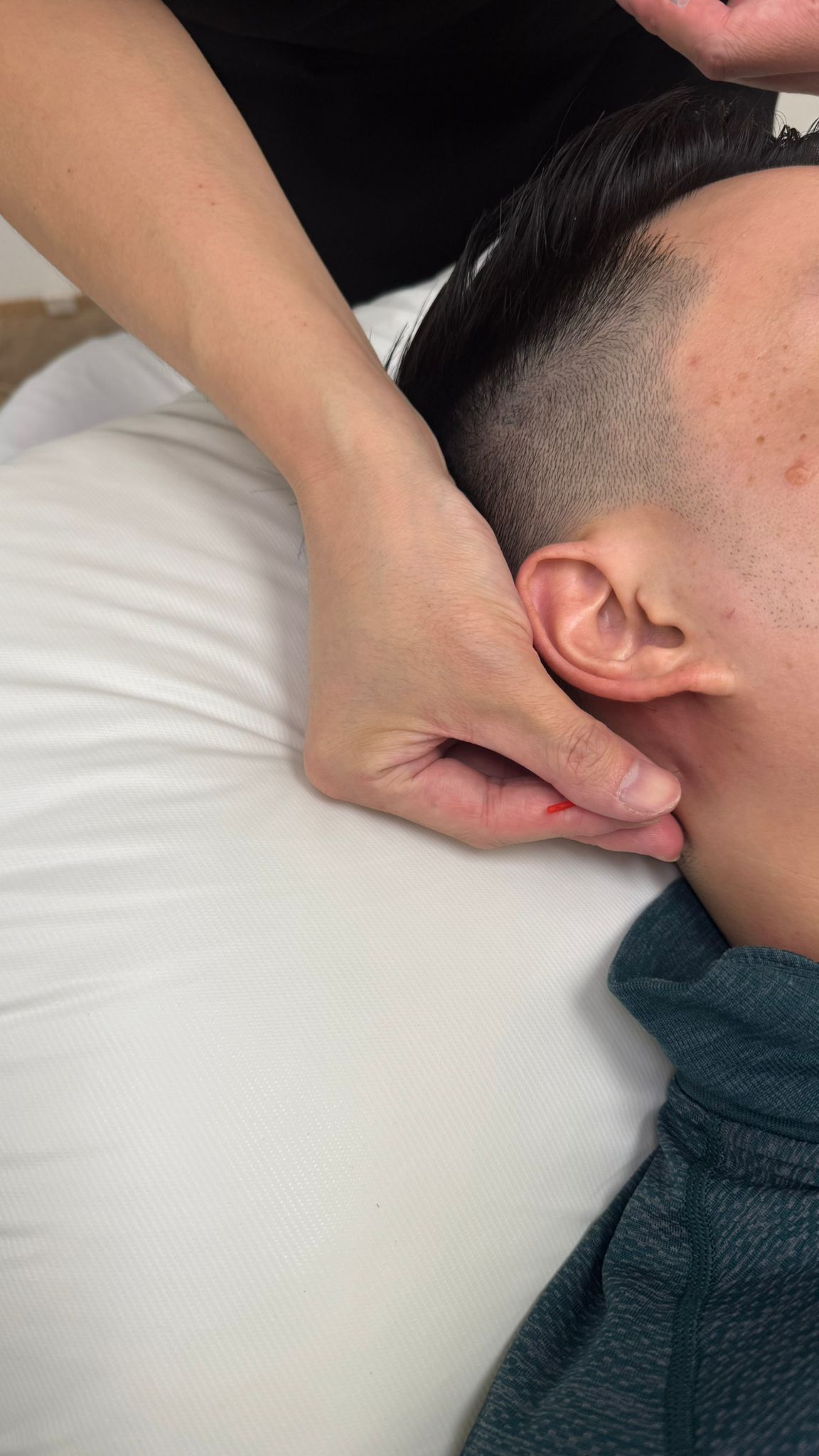
Acupuncture has a strong and growing evidence base for insomnia, and it works differently from anything else in the sleep-medicine toolkit. Rather than sedating the nervous system chemically, acupuncture helps it regulate itself — promoting the kind of deep, natural sleep that leaves you genuinely rested, not just unconscious.
What Insomnia Actually Is
Insomnia is formally defined as persistent difficulty initiating or maintaining sleep, or non-restorative sleep, that causes significant daytime impairment — occurring at least three nights per week for at least three months. But disrupted sleep at any level has real health consequences. Insomnia commonly co-occurs with anxiety, depression, chronic pain, perimenopause, and PTSD — each of which can be both a cause and a consequence of poor sleep. Effective treatment often needs to address the underlying contributors, not just the sleeplessness itself.
The Health Cost of Poor Sleep
Chronic sleep deprivation has been causally linked to increased cardiovascular disease risk, impaired glucose metabolism, elevated cortisol, increased inflammatory markers, reduced immune function, cognitive decline, and reduced pain threshold. This last point is particularly relevant: pain disrupts sleep, and sleep deprivation amplifies pain. Breaking this cycle requires treating both simultaneously — one of acupuncture’s genuine strengths.
How Acupuncture Promotes Sleep: The Physiology
- Melatonin production: Acupuncture stimulates pineal gland activity and increases nocturnal melatonin secretion — the hormone that signals it’s time to sleep.
- Cortisol reduction: By dampening HPA axis activity, acupuncture lowers evening cortisol levels that prevent sleep onset or cause early-morning waking.
- GABA and serotonin modulation: Acupuncture increases GABA activity (promoting neurological calm) and enhances serotonin synthesis (the precursor to melatonin).
- Autonomic balance: Shifting the nervous system toward parasympathetic dominance creates the physiological state necessary for sleep — reduced heart rate, lower body temperature, relaxed musculature.
- Adenosine release: Needle insertion triggers local adenosine release, a neuromodulator that promotes sleep pressure.
What the Research Shows
A meta-analysis published in Sleep Medicine analyzing 46 randomized controlled trials (over 3,800 patients) found that acupuncture significantly improved total sleep time, sleep efficiency, and sleep quality compared to both no treatment and pharmacological treatment — without the side effects of sleep medications: no morning grogginess, no dependency risk, no rebound insomnia upon discontinuation.
Types of Insomnia Acupuncture Can Help With
- Sleep-onset insomnia: Difficulty falling asleep (often driven by anxiety, racing thoughts, or elevated evening cortisol)
- Sleep-maintenance insomnia: Waking frequently during the night (often related to pain, blood sugar dysregulation, or hormonal changes)
- Early-morning waking: Waking at 3 to 5 a.m. unable to return to sleep (often associated with depression or cortisol dysregulation)
- Non-restorative sleep: Sleeping an adequate number of hours but waking unrefreshed
- Perimenopausal insomnia: Sleep disruption related to hormonal fluctuations and hot flashes
- Post-traumatic insomnia: Hypervigilance and disrupted sleep architecture following trauma or PTSD
What a Treatment Plan Looks Like
After a thorough intake covering your sleep history, patterns, and contributing factors, your acupuncturist will develop a plan tailored to your specific presentation. For most patients, a course of 6 to 12 weekly sessions is recommended to establish meaningful change. Most patients begin to notice improvements within the first 3 to 4 sessions — falling asleep more easily, waking less, or sleeping more deeply.
Acupuncture and Sleep Medication
Many patients who come for insomnia are already using sleep medication. Acupuncture is safe to use alongside most sleep medications and does not interact with them pharmacologically. Many patients find that as treatment progresses and sleep quality improves, they naturally require less medication to achieve restorative sleep. Tapering should always be done gradually and in consultation with the prescribing doctor.
The Gut–Sleep Connection
The gut produces approximately 90% of the body’s serotonin, the direct precursor to melatonin. Disrupted gut motility and intestinal inflammation can therefore impair melatonin synthesis and sleep quality. Acupuncture influences gastrointestinal function through parasympathetic activation — patients with both insomnia and digestive symptoms (IBS, bloating, reflux) often notice that both conditions improve together over a course of treatment.
The Limits of Sleep Hygiene
Sleep hygiene advice is valid and evidence-based, but has significant limitations. For many people with chronic insomnia, the underlying dysregulation is neurobiological, not behavioural. The nervous system is genuinely dysregulated; the HPA axis is not producing the right hormonal signals. No amount of screen-limiting or chamomile tea will fix this on its own. Acupuncture addresses the physiological substrate of insomnia. Most patients find that after a full course of treatment, the sleep hygiene practices they’ve been trying for years finally start to work — because the nervous system is finally ready to cooperate.
Acupressure Points You Can Use at Home
Your acupuncturist may teach you acupressure points to stimulate between sessions. Heart 7 (inner wrist crease, below the little finger) calms the mind. Kidney 1 (sole of the foot) is a grounding point to quiet a busy mind before bed. Pericardium 6 (two finger-widths above the inner wrist crease) is useful for anxiety that interferes with sleep onset. Firm, steady thumb pressure for 30 to 60 seconds on each point is sufficient.
Pairing Acupuncture with CBT-I and Sleep Medicine
Cognitive Behavioural Therapy for Insomnia (CBT-I) is the gold-standard psychological treatment for chronic insomnia, and acupuncture pairs well with it. CBT-I retrains your sleep-related thinking and behaviour; acupuncture restores the underlying physiology that makes those new habits possible. Patients working with a sleep psychologist often find that acupuncture quiets the body enough for techniques like stimulus control and sleep restriction to actually take hold. If you’re already seeing a sleep specialist or family physician for insomnia, acupuncture integrates safely into your existing care plan.
What to Bring to Your First Appointment
A thorough sleep intake covers when your insomnia started, what you’ve tried, your bedtime routine, caffeine and alcohol intake, screen exposure, and any chronic pain, digestive issues, or hormonal shifts that may be contributing. Bring a list of medications and supplements — including over-the-counter sleep aids and melatonin. If you’ve been keeping a sleep diary or using wearable sleep data, share it. Patterns in sleep onset, night-time waking, and total sleep time help your acupuncturist tailor treatment to your specific presentation.
Covered Under Your Extended Health Plan
Acupuncture is covered by most extended health benefit plans in Ontario. Coverage amounts vary by employer and plan, so we recommend confirming your acupuncture benefit before your first visit. We provide detailed receipts after every session for insurance submission, and many patients find their plan covers a full course of treatment.
Acupuncture for Insomnia in Toronto and North York
Insomnia rarely shows up alone. If your sleep is tangled up with anxiety, persistent stress, perimenopausal changes, or chronic pain, our acupuncturists can help you address the whole picture. We see patients with insomnia from across the GTA at our North York clinic and frequently coordinate care alongside chiropractic, massage therapy, and rehab — particularly when sleep is being driven by pain or nervous system dysregulation.
Frequently Asked Questions: Acupuncture for Insomnia in Toronto
Ready to Book at Axon Chiropractic & Rehab in North York?
Address: Our clinic is located at 200 Consumers Road, North York, Ontario — easily accessible from Willowdale, Victoria Park and Sheppard, the Parkway Forest Community, and the Yonge-Sheppard corridor.
Book your appointment online or call us at 416-901-2966.