You’ve been stretching your hamstring for a month and it still hurts. You’ve rolled out your foot, bought new shoes, and your heel pain isn’t any better. The sore spot is real, but there’s a good chance the source of the problem isn’t where it hurts.
This is called referred pain, and it’s one of the most common reasons people feel stuck in treatment that “should” have worked. Here’s how it happens, the patterns we see most often, and what a thorough assessment looks like.
What Referred Pain Actually Is
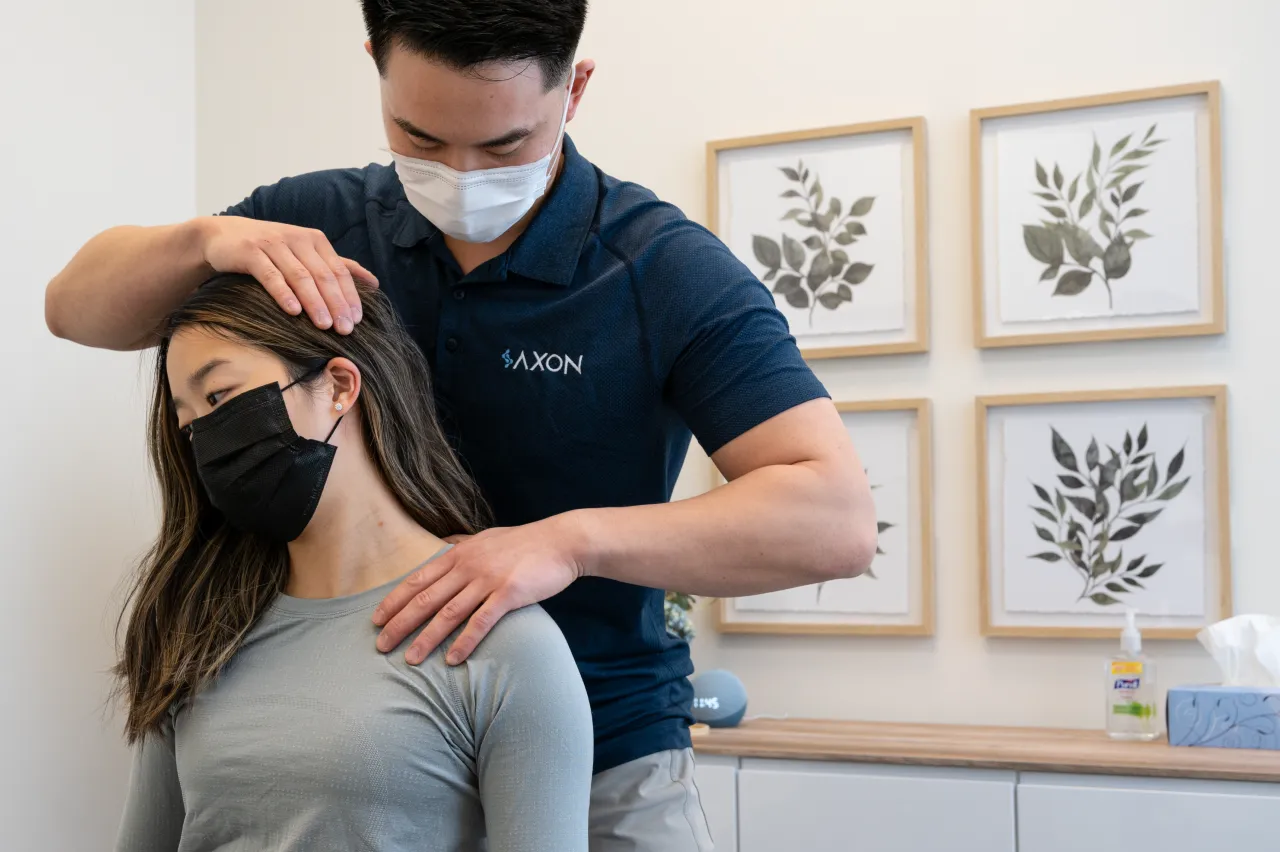
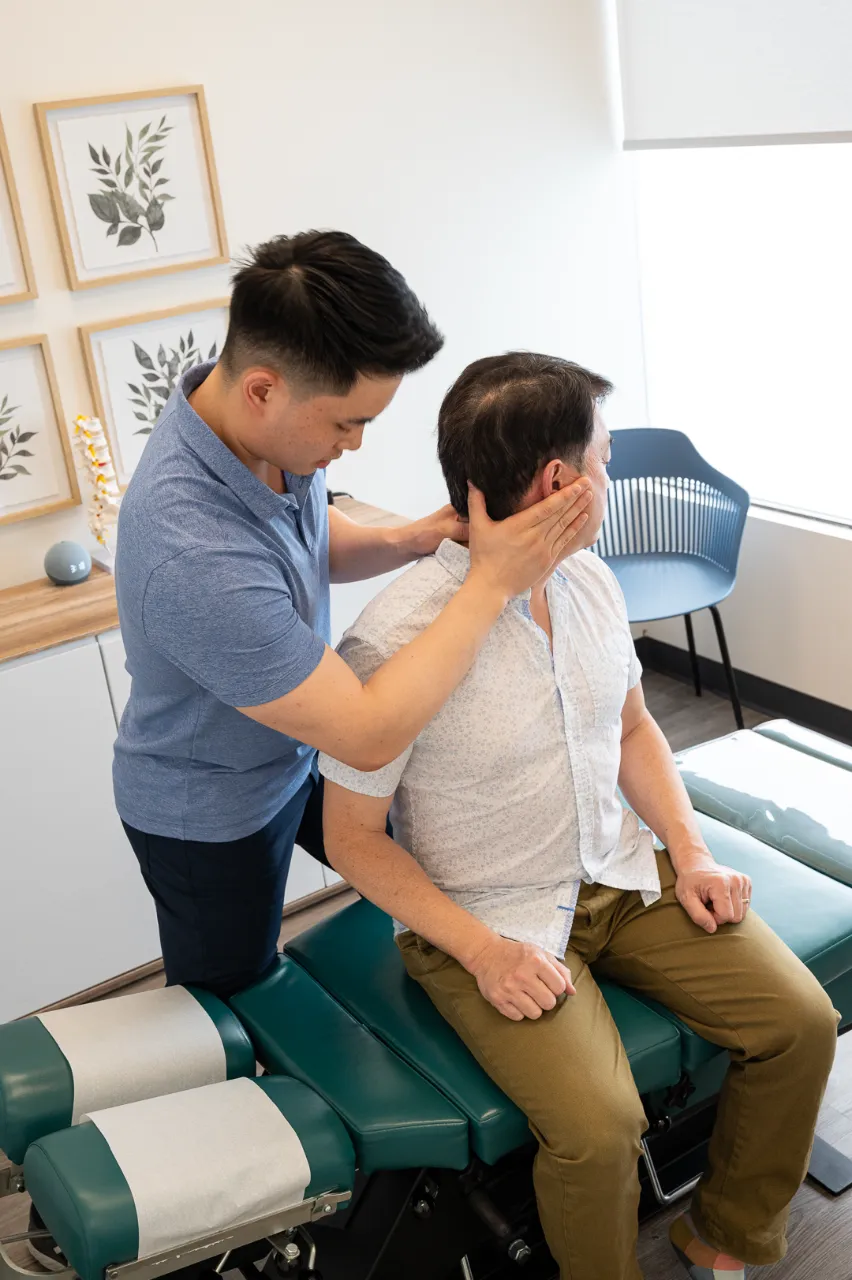
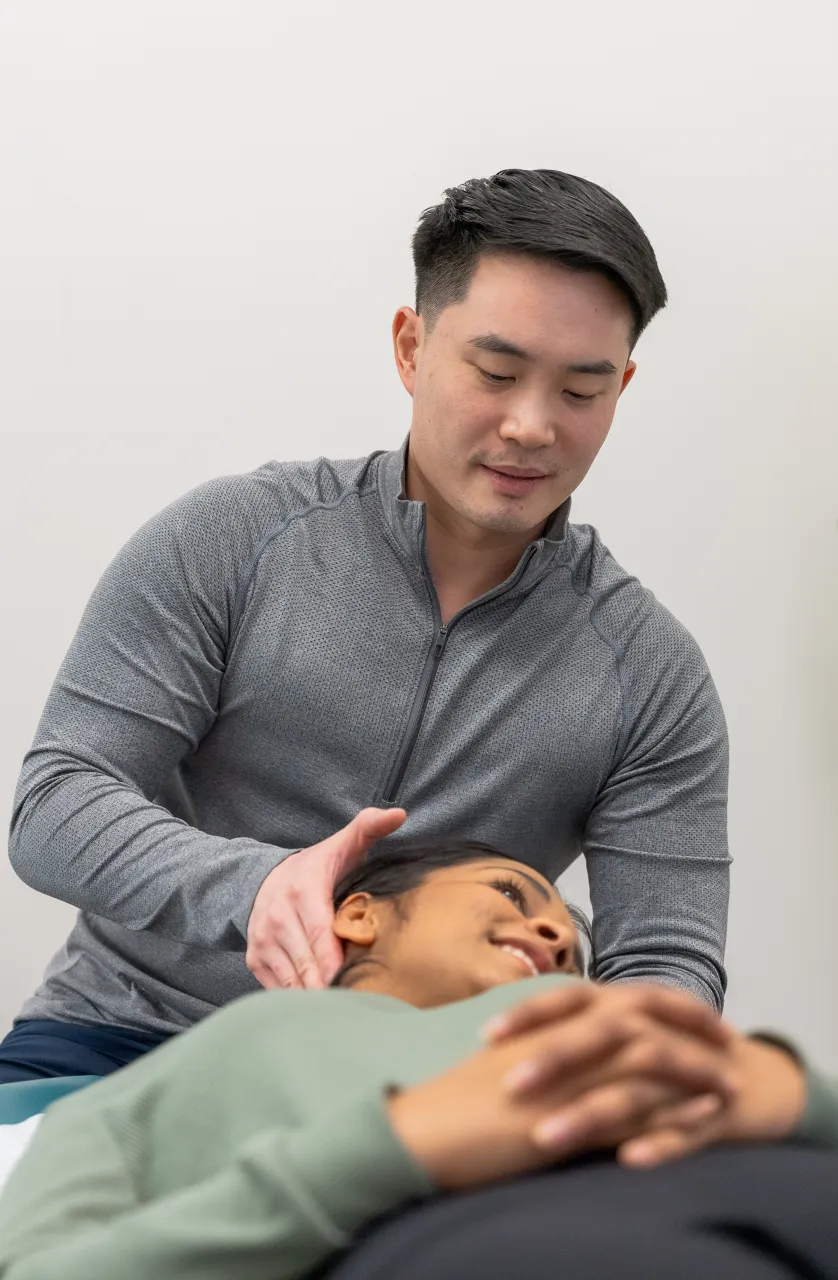
Referred pain is pain you feel in one part of the body that originates somewhere else. It happens because the nervous system doesn’t map the body as neatly as we’d like. Nerves from different tissues feed into the same spinal cord segments, and the brain doesn’t always tell them apart. A problem in the neck can show up in the arm; a problem in the hip or lower back can show up in the knee.
Two mechanisms are especially common in musculoskeletal care:
- Nerve irritation: a nerve root that’s irritated or compressed near the spine can send pain, tingling or numbness along its path into the arm or leg. This is sometimes called radicular pain.
- Myofascial referral: tight, sensitive spots in muscle — often called trigger points — can produce pain at a distance. Pressing on one can reproduce pain somewhere that seems unrelated.
Why Treating the Sore Spot Doesn’t Always Work
If the area that hurts is the “victim” rather than the “culprit,” treating it can give short-term relief at best. You might stretch, ice, massage or strengthen the painful spot and see little change, because the driver is upstream.
That doesn’t mean local treatment is pointless. It often helps. But if you’ve been doing the right things for weeks and you’re still stuck, it’s worth asking what else could be contributing.
Common Referred Pain Patterns
These are patterns, not diagnoses — your own pain may differ, and proper assessment matters.
- Neck → shoulder, arm and hand. Irritation of nerves in the lower neck can cause pain, tingling or weakness in the arm, which people sometimes mistake for a bicep, tricep or elbow problem. Desk posture often plays a part; see our post on tech neck.
- Neck → head. Many headaches start in the upper neck. Our overview of headaches and chiropractic care explains how.
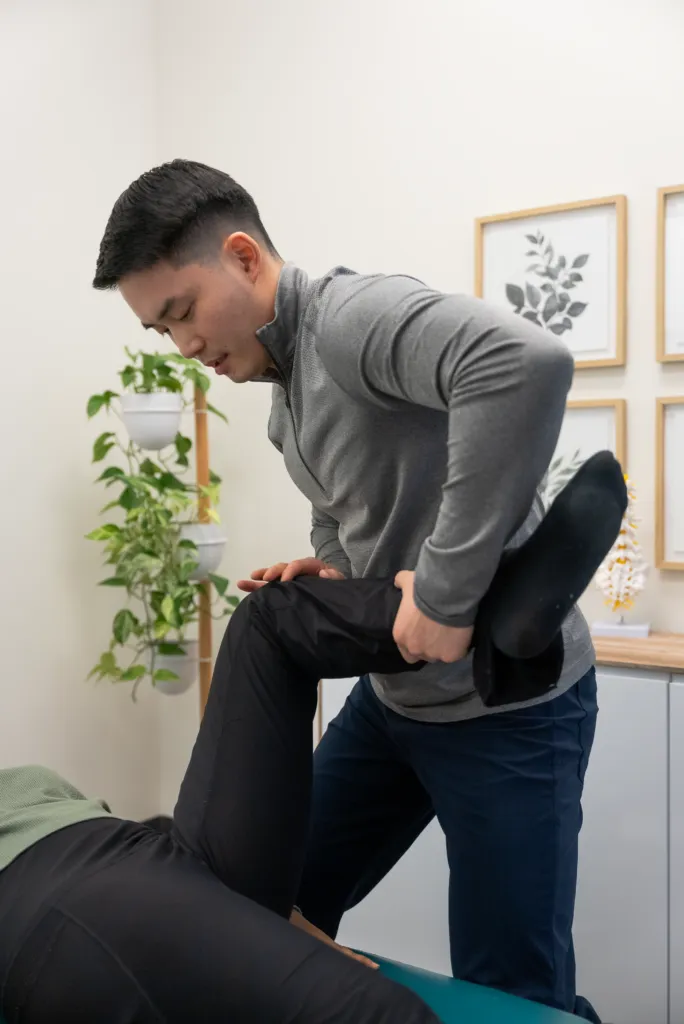
- Low back and hip → buttock, thigh and knee. Irritation of lower back nerves, or tight muscles in the hip and glutes, can send pain down the leg. “Knee pain” sometimes starts at the hip or lumbar spine.
- Sacroiliac joint → buttock and groin. Pain around the pelvis can travel and be mislabelled as a hip or hamstring issue.
- Mid-back and ribs → chest wall or shoulder blade. Stiff joints in the thoracic spine can cause pain around the ribs or between the shoulder blades. Any new chest pain should be checked by a doctor first, though.
- Calf, ankle and foot → heel and arch. Persistent heel pain can involve tight calf muscles, foot mechanics, or nerve irritation higher up the leg, not only the plantar fascia itself. Whether the foot structure is part of the picture is one reason people ask about custom orthotics versus store-bought insoles.
What a Thorough Assessment Looks Like
When pain isn’t responding, a good assessment looks beyond the sore spot. At Axon Chiropractic and Rehab in North York, that can include:
- A detailed history: when the pain started, what makes it better or worse, what you do all day, and what you’ve already tried.
- Movement testing: how your neck, back, hips and shoulders move, and whether certain movements reproduce your symptoms.
- Orthopaedic and neurological checks: reflexes, strength, sensation and specific tests that help separate a local problem from one coming from a nerve or joint elsewhere.
- Looking at the whole chain: if your knee hurts, we’ll often check the hip, lower back and foot as well.
The aim isn’t to find a single dramatic cause. Most persistent pain has more than one contributor, and the most useful assessments sort out which ones matter most for you.
How Treatment Changes When the Source Is Elsewhere

Once the likely drivers are identified, treatment usually addresses both the source and the sore spot:
- Chiropractic care may focus on spinal and joint function that’s affecting nearby nerves and muscles. Our post on posture explains why habits matter alongside treatment.
- Registered massage therapy can address muscle tension and trigger points that refer pain.
- Acupuncture may help settle pain and muscle tension, particularly when pain has become persistent.
- Movement and exercise advice helps the changes last between visits.
Because these approaches sit in the same clinic, the practitioners can compare notes to provide you with comprehensive care rather than leaving you to piece the picture together yourself. Our post on how many chiropractic visits you’ll need gives a realistic sense of timelines.
When Pain Needs Medical Attention First
Some pain patterns need urgent medical attention before any manual therapy:
- chest pain, pressure, shortness of breath or sweating, especially with pain in the arm, jaw or shoulder
- sudden, severe headache unlike your usual headaches
- numbness around the groin or inner thighs, or new loss of bladder or bowel control
- rapidly worsening weakness in an arm or leg
- fever, unexplained weight loss, or pain that is constant and unrelenting at night
- pain after significant trauma
If any of these apply, call 911 or go to the nearest emergency department.
Persistent Pain Assessment in North York
If you’ve been treating a sore spot without lasting progress, a fresh look can help. Axon Chiropractic and Rehab’s team offers chiropractic care, registered massage therapy and acupuncture at 200 Consumers Road in North York, with free on-site parking and evening and weekend hours. You can meet the practitioners on our team page.
Frequently Asked Questions: Referred Pain and Persistent Pain in North York
Ready to Book at Axon Chiropractic and Rehab in North York?
Address: Our clinic is located at 200 Consumers Road, North York, Ontario — easily accessible from Willowdale, Victoria Park and Sheppard, the Parkway Forest Community, and the Yonge-Sheppard corridor.
Book your appointment online or call us at 416-901-2966.