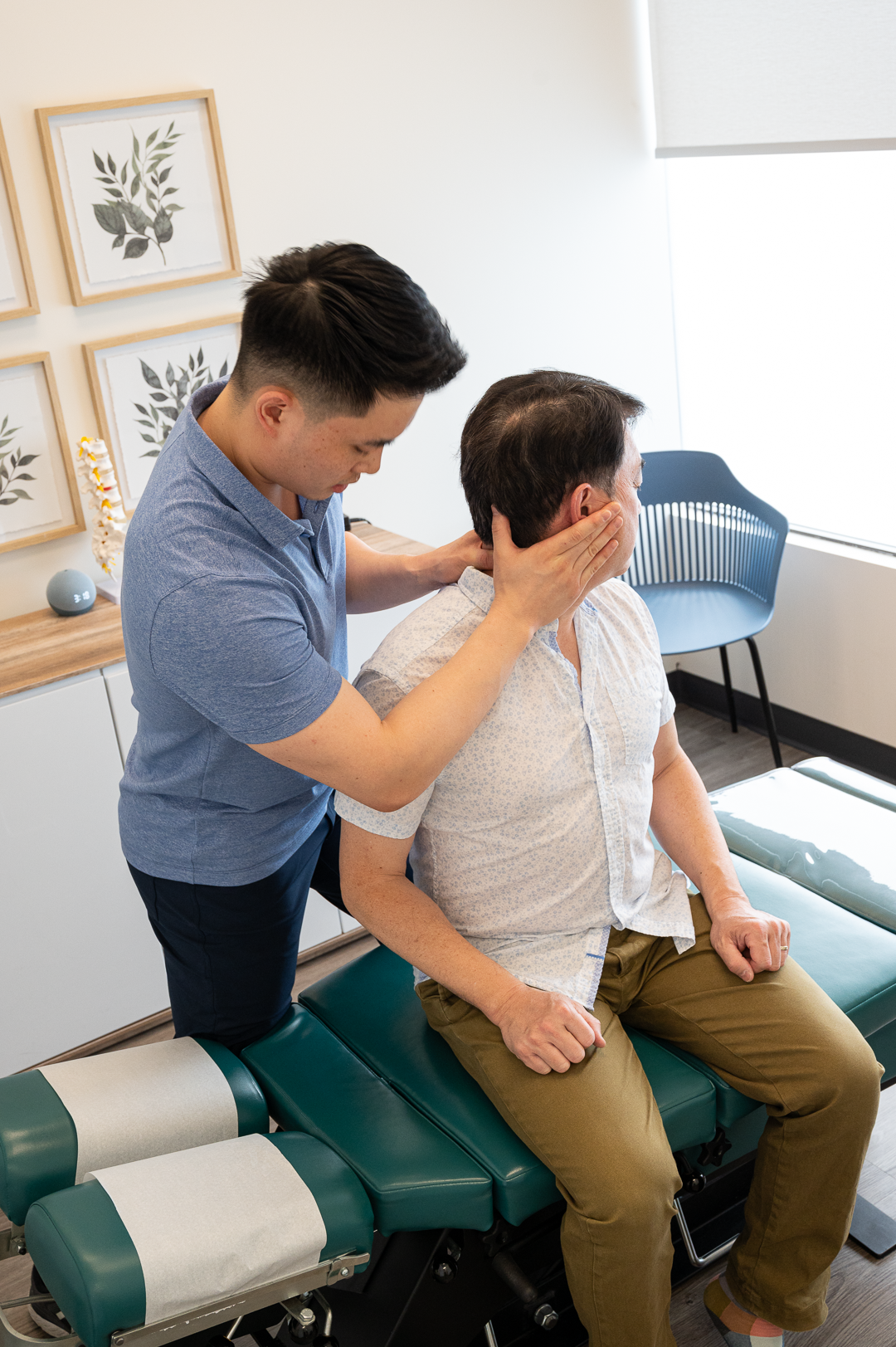
It’s a question nearly every patient asks at some point: ‘I’m feeling great now — do I actually need to keep coming?’
It’s a fair question, and it deserves an honest answer. We’re not going to tell you that you need chiropractic care forever. What we will do is explain clearly what the evidence says about maintenance care, what it provides, and who genuinely benefits from it — so you can make an informed decision.
First: The Difference Between Active, Rehabilitative, and Maintenance Care
Active/Acute Care
The initial phase of treatment when you’re in pain or significantly impaired. Visits are frequent (typically 2–3 per week) and focused on reducing inflammation, restoring mobility, and managing pain. Most patients are here when they first arrive.
Rehabilitative/Corrective Care
The second phase. Pain is reduced but the underlying dysfunction — restricted joint movement, muscle imbalance, poor movement patterns — is still being corrected. Visit frequency decreases to weekly or biweekly. Exercises are introduced. This is the phase where real resolution of the root cause happens.
Maintenance/Wellness Care
Optional third phase for patients who have achieved their recovery goals but choose to maintain the gains through regular but infrequent check-ins. Typically monthly or every 4–6 weeks.
What Does the Research Say?
This is where we try to be genuinely transparent. The evidence on maintenance chiropractic care is mixed but directionally positive:
- A 2011 randomized controlled trial in Spine found that patients with chronic low back pain who received monthly maintenance spinal manipulation after an initial treatment course had significantly less pain and disability at 10 months compared to those who received initial treatment only.
- A 2019 study in JMPT found that patients receiving maintenance care for recurrent low back pain had fewer days with pain and better quality of life outcomes over one year.
- Multiple studies on athlete populations show that regular preventive manual therapy reduces injury incidence and improves performance markers.
What the evidence doesn’t support: the idea that everyone needs maintenance care indefinitely regardless of their individual situation. That’s not evidence-based care — it’s a business model.
Who Actually Benefits from Maintenance Care?
High Benefit Patients
- People with physically demanding jobs (construction, nursing, trades) whose bodies are under sustained high load and benefit from regular tissue maintenance.
- High-volume athletes who train consistently and use chiropractic as a performance and recovery tool.
- People with chronic or recurrent conditions — where the pattern of ‘getting hurt, treating, getting better, getting hurt again’ is repetitive. Maintenance interrupts that cycle.
- Patients with degenerative conditions (osteoarthritis, degenerative disc disease) where active management slows functional decline.
Lower Benefit Patients
- People whose pain was acute, clearly caused by a specific incident, fully resolved, and who have made the necessary lifestyle/ergonomic changes.
The Analogy That Actually Fits
The best analogy for maintenance chiropractic care isn’t dentistry (‘you’d never skip your dental cleaning’) — because that’s oversimplified. A better analogy is personal training or physiotherapy maintenance: if your body functions well independently, you may not need it. But if you have known structural vulnerabilities, high physical demands, or a history of recurrence, regular maintenance is intelligent preventive care, not unnecessary.
What Happens at a Maintenance Visit?

A maintenance visit at Axon Chiropractic and Rehab is not a rubber-stamp adjustment. It includes:
- A brief reassessment: how you’ve been since the last visit, any new complaints
- Movement screen: catching new restrictions before they become symptomatic
- Treatment to current findings: not a fixed protocol — what your body needs that day
- Exercise progression check: updating your home program as your capacity improves
The goal is proactive, not reactive. Catching a stiffening cervical joint before it becomes a headache. Addressing a tight hip flexor before it becomes a back spasm.
A Note on Insurance
Most extended health benefit plans cover a set number of chiropractic and RMT visits per year. Many patients use these visits reactively — only when in pain. Using a portion of your annual benefit for 2–3 maintenance visits when you feel well is often a far better use of those benefits than saving them all for acute-care catch-up.
Frequently Asked Questions
Want to see a top-rated chiropractor in north york?
Axon Chiropractic and Rehab in North York offers honest, evidence-based chiropractic care with clear treatment plans. Book your first chiropractic assessment today — and leave with a clear picture of what to expect.
Address: 200 Consumers Rd Suite 120, North York, ON M2J 4R4 (Victoria Park & Sheppard — easy access from Hwy 401 & 404 & the Parkway Forest Community)
Phone: 416-901-2966