You bent to pick something up, or woke up stiff, and now your back is seizing. It’s frightening in the moment, and the first instinct is usually to lie down and not move. For most flare-ups, that’s not the best plan.
Here’s a practical guide to the first 72 hours: what tends to help, what tends to make things worse, and when it’s time to get checked.
First, the Reassuring Part
Most sudden back pain is mechanical, meaning it comes from irritated joints, muscles or discs rather than something dangerous, and most episodes improve substantially within days to a few weeks. That doesn’t make them painless, but it does mean staying calm and staying gently active usually serves you better than panicking.
The exceptions matter, and we’ve listed them further down so you can rule them out first.
Day One: Calm It Down Without Shutting Down
- Keep moving gently. Short, slow walks around your home every hour or so help more than lying flat all day. Brief rests are fine; long stretches of bed rest tend to prolong stiffness.
- Find a position of relief. Lying on your back with a pillow under your knees, or on your side with a pillow between your knees, takes pressure off the low back for many people.
- Try heat or ice, whichever feels better. Heat often eases muscle spasm, while some people prefer ice for a sharp, fresh strain. The evidence for either is modest, so go with comfort, using a cloth barrier and no more than 15 to 20 minutes at a time.
- Don’t sit for long stretches. Stand up and shift every 30 minutes or so. If you work from a desk, our post on the truth about posture has tips.
- Ask a pharmacist about pain relief. Over-the-counter options can help some people, but they’re not right for everyone, so check what’s safe with your pharmacist or doctor.
Days Two and Three: Build Movement Back In
As the worst of the pain eases, gradually do a little more each day:
- walk for longer or more often
- try gentle mobility such as pelvic tilts, knee-to-chest and cat-camel stretches, keeping everything within comfortable range
- return to light everyday tasks, avoiding heavy lifting, deep bending and twisting under load
- keep your sleep position comfortable with pillows supporting your knees or between them
The goal isn’t to be pain-free before you move. It’s to move within a comfortable range, then do slightly more.
What Tends to Make Flare-Ups Worse
- staying in bed for long stretches
- sitting for hours without a break
- jumping back into heavy lifting or intense workouts too soon
- bracing and guarding every movement, which can keep muscles tense
- ignoring pain that’s spreading or getting worse
Red Flags: Don’t Wait to Be Seen
Get medical attention promptly, or go to the emergency department, if back pain comes with:
- numbness around the groin, genitals or inner thighs
- new difficulty controlling your bladder or bowels
- progressive weakness in a leg or foot
- fever, chills or unexplained weight loss
- pain after a significant fall or accident
- severe pain that is constant and unrelieved by changing position
When to Book an Assessment
If you don’t have red flags, consider booking an appointment if:
- you’re not clearly improving after three to seven days
- the pain travels down into your leg, or you notice tingling
- it keeps returning
- it’s affecting your sleep or ability to work
- you simply want to understand what’s going on and avoid repeat flare-ups
Our post on five signs you need a chiropractor covers more of these signals.

What Care at Axon Chiropractic and Rehab Can Involve
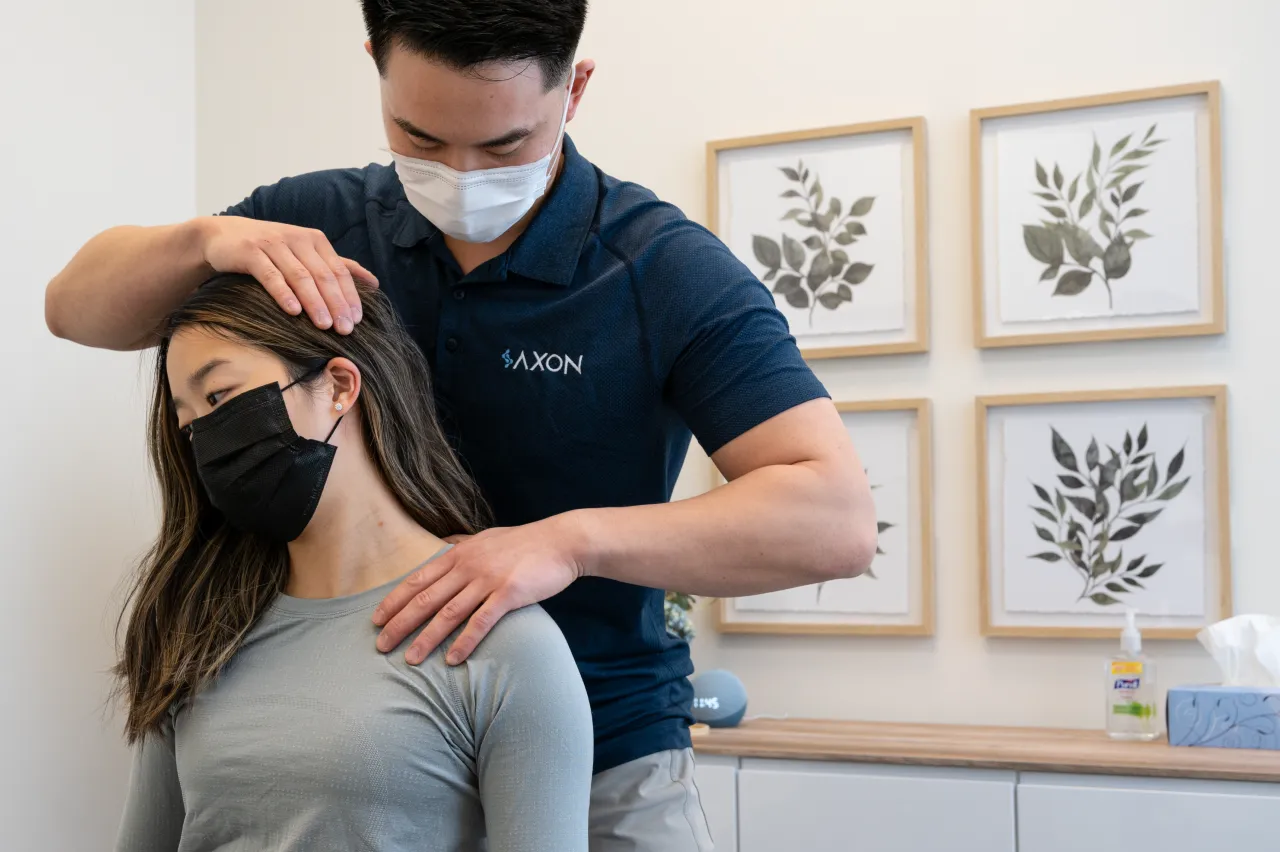
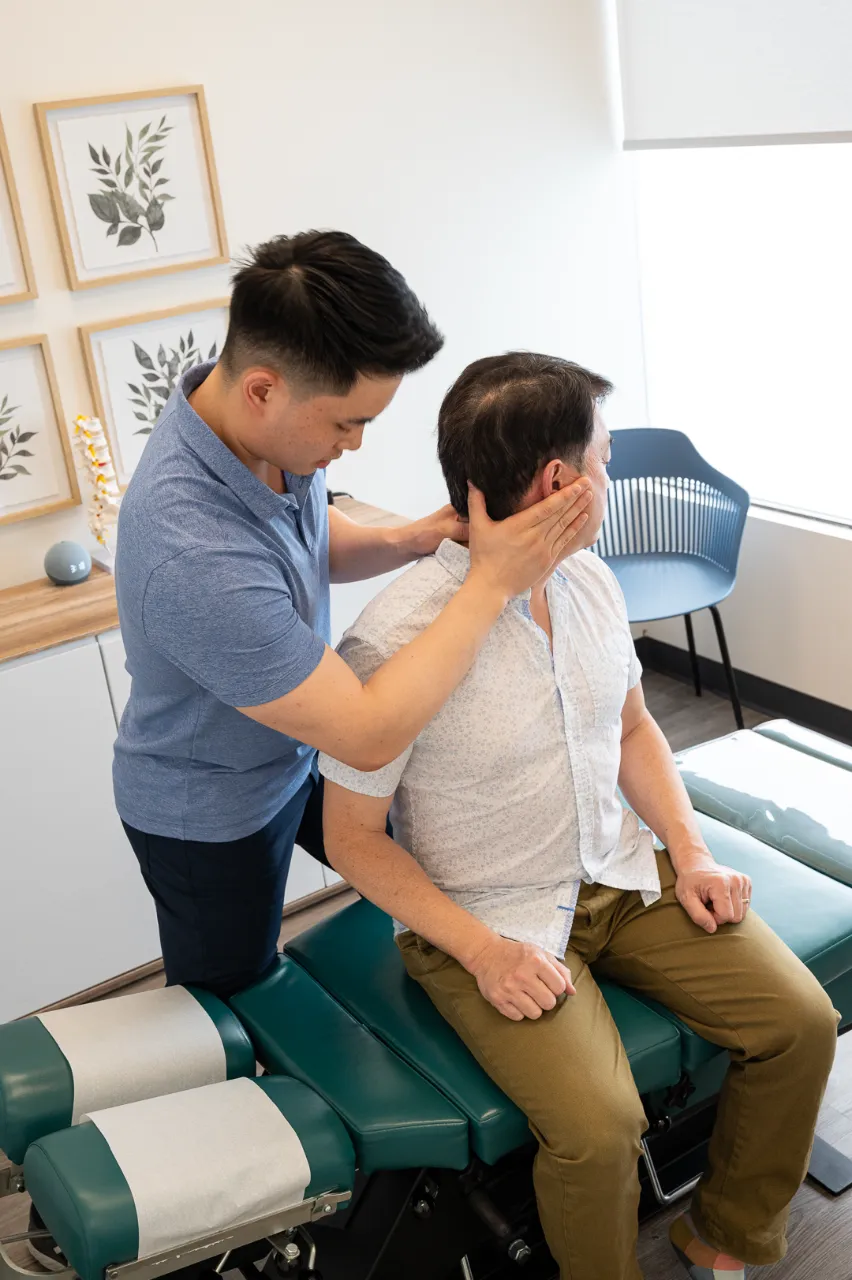
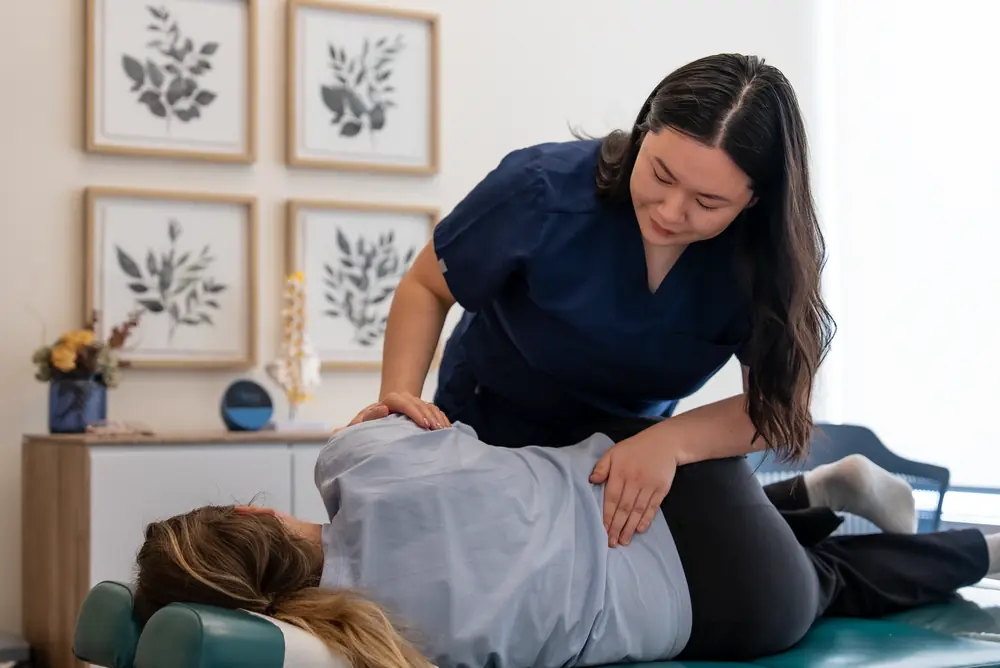
A first visit usually includes a history, an examination, and a plain-language explanation of what’s likely driving your symptoms. From there, depending on your situation, care may include:
- chiropractic care to restore joint movement and reduce irritation
- registered massage therapy for protective muscle tension
- acupuncture to help ease pain
- movement and activity guidance so you can return to normal sooner
If you’re wondering whether to start with a chiropractor or a massage therapist, our guide to chiropractic vs. massage can help. And for a realistic sense of timelines, see how many chiropractic visits you’ll need.
Back Pain Care in North York
If your back flares up, you don’t need to wait it out alone. We’re open evenings and weekends, offer free on-site parking, and provide care in English, Cantonese, Mandarin, Japanese and Tagalog.
Frequently Asked Questions: Back Pain Flare-Ups in North York
Ready to Book at Axon Chiropractic & Rehab in North York?
Address: Our clinic is located at 200 Consumers Road, North York, Ontario — easily accessible from Willowdale, Victoria Park and Sheppard, the Parkway Forest Community, and the Yonge-Sheppard corridor.
Book your appointment online or call us at 416-901-2966.